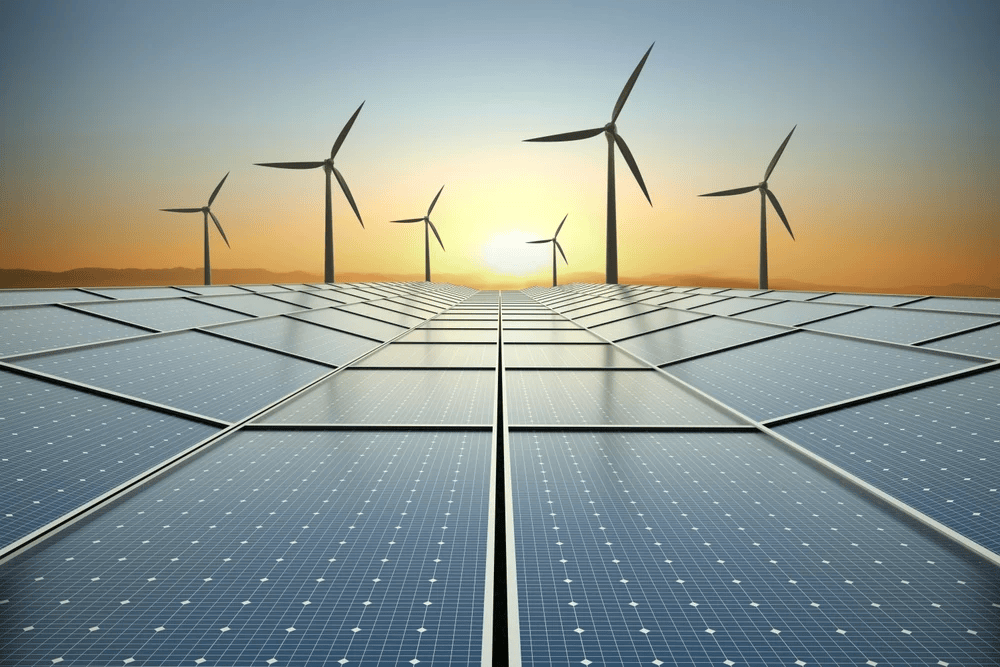
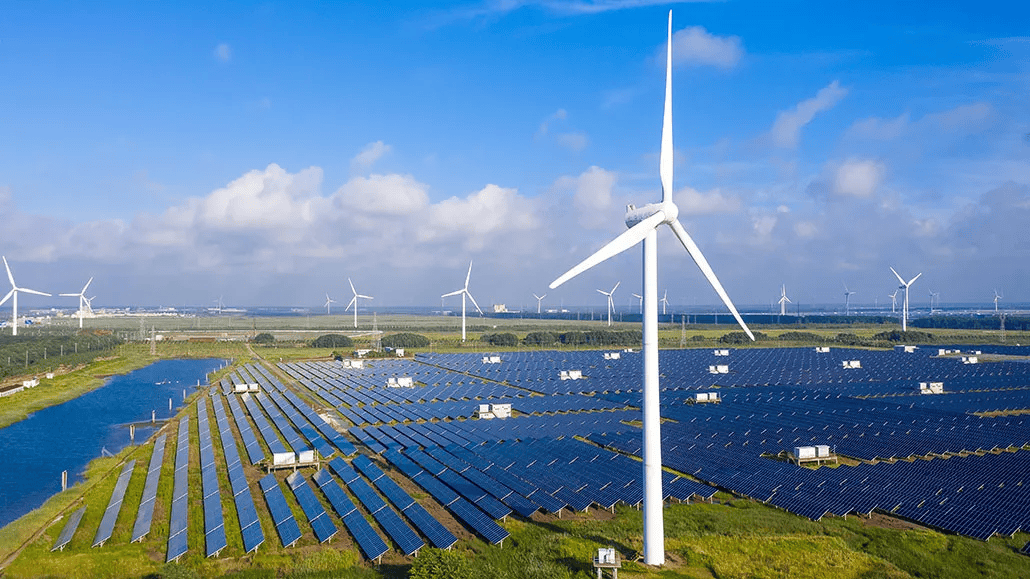
Green energy is renewable electricity from inexhaustible sources that produce negligible greenhouse gases during operation. It includes solar photovoltaic systems, wind turbines, small hydropower plants, biomass from organic waste, and geothermal heat. Unlike coal or gas, it supports long-term energy security without depleting resources or accelerating climate change.
Uttarakhand Context
Uttarakhand leads in green energy through policies promoting solar (over 1 GW installed by early 2026), hydropower, and emerging geothermal and biogas projects. The state leverages its rivers for hydro and sunny hills for solar rooftops and ground-mounted plants, aided by the Uttarakhand Renewable Energy Development Agency (UREDA).
Key regulations like the Green Energy Open Access Rules 2023 enable consumers with 100 kW+ demand to access renewables freely via intra-state grids.
Key Initiatives
Solar Expansion: Rooftop (PM Surya Ghar scheme), canal-top, and ground projects total 1,027 MW, boosting self-employment.
Policy Framework: Solar Policy 2023, Green Energy Cess Act 2014, and Geothermal Policy 2025 fund renewables and cess on conventional power.
Biogas and Decentralized: Anaerobic digestion of waste for cooking/electricity in remote hills.
Benefits in Uttarakhand
These efforts cut carbon emissions, create jobs, and ensure power in remote areas, aligning with India’s decarbonization goals. Hydropower dominates, but solar diversification reduces grid strain.