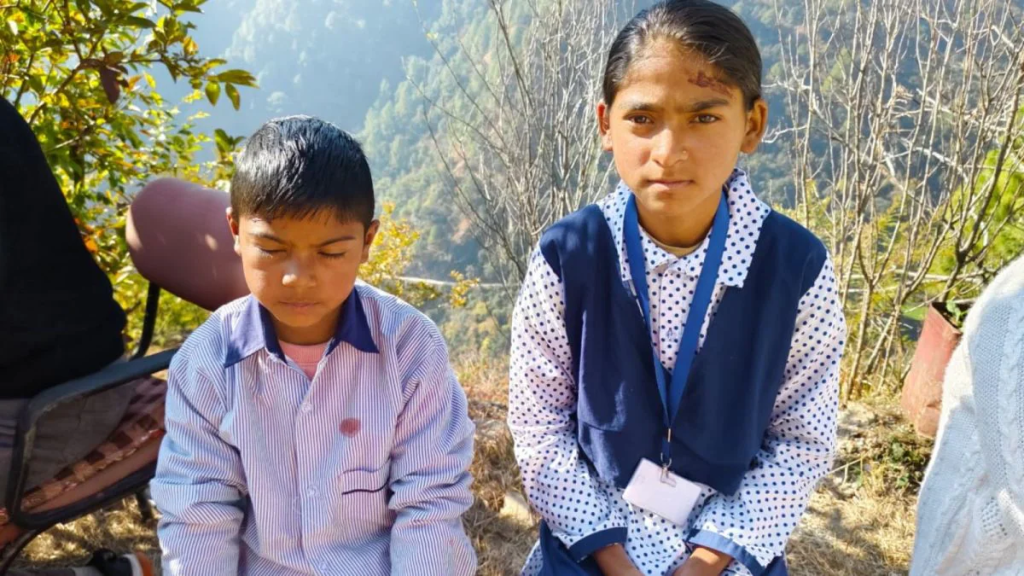
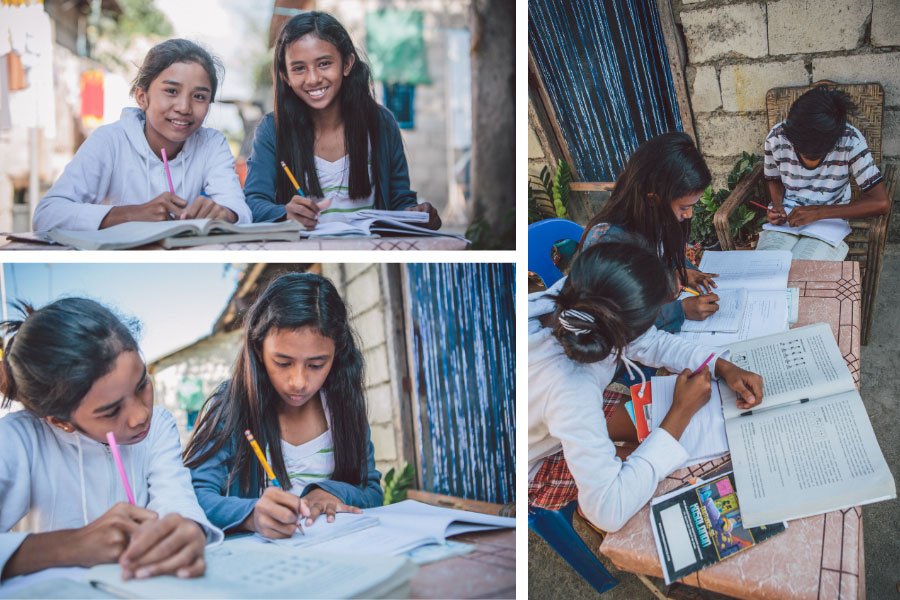
Education for girls means ensuring that they have the same access to education as boys. Its goal is to address gender inequality and enhance the quality of life for females. Education empowers girls, leading to better health, economic growth, and reduced poverty rates. Despite progress made in recent years, obstacles remain in India that impede girls’ access to education.
The Right to Education Act, 2009, guarantees all Indian girls the right to education as a fundamental right. This makes India the second most populated country in the world with 48.5% of female population. Providing education for girls aims at promoting gender parity that leads to prosperity.
Education for girls has numerous benefits for the country, such as:
India is working hard to ensure that women have access to high-quality education everywhere in the nation. Education is essential for social equality, scientific progress, economic growth, and cultural preservation. India will have the largest population in the world in ten years. The actions we take in the field of education now will influence the future of billions of Indians. The Indian government, realizing the seriousness of the problem, developed the new National Education Policy, which intends to significantly enhance the educational ecosystem and raise the literacy rates of women throughout the nation.
In India, ensuring education for girls is a critical challenge. Gender stereotypes and cultural norms limit access to quality education. Poverty, societal pressures, and early marriage are significant barriers preventing enrollment of educated girls in schools. Inclusive government policies promoting gender equality can reduce gender inequality in education providing better futures for young women.
The gender gap in literacy rates continues to persist in India despite efforts made by the government and non-governmental organizations. Gender discrimination remains a major challenge for girls’ education as societal pressures prioritize boys’ education over educated girl child, leading to early marriages, cultural barriers and violence faced by female students. Yet, promoting gender equality through educational opportunities is a fundamental right crucial for prosperity and better futures.
Providing education for girls in India faces challenges due to resource limitations. In rural areas, it becomes even more challenging to provide quality education. Access to schooling is often limited for young girls due to poverty. Families struggling with financial stability find it difficult to pay school fees and other expenses associated with educating their daughters.
The government’s efforts towards promoting gender equity and inclusion have been vital for providing quality education to girls in India. Initiatives such as Beti Bachao Beti Padhao scheme and Sarva Shiksha Abhiyan are aimed at providing educational opportunities to all girls in India. Kasturba Gandhi Balika Vidyalaya provides free education to girls from disadvantaged communities while Pradhan Mantri Vidya Lakshmi Yojana offers scholarships for higher education. These initiatives are fundamental in providing better futures for young women while addressing gender inequality.
The government’s Beti Bachao Beti Padhao scheme focuses on promoting education and empowerment of young girls in India. By providing financial incentives to families who enroll their daughters in schools, the scheme has successfully increased enrollment rates among young women. Additionally, community-based awareness programs have helped reduce the gender gap by ensuring that more girls receive quality education.
The Sukanya Samriddhi Yojana scheme is a government initiative aimed at providing financial support to parents who want to save for their daughter’s education and marriage expenses. This plan plays an essential role in empowering girl child education in India by eliminating inequalities that exist in terms of access to quality education. By promoting the enrolment of young girls in primary schools and beyond, it helps create a new generation of educated women who can break free from poverty and become active participants in the country’s workforce.